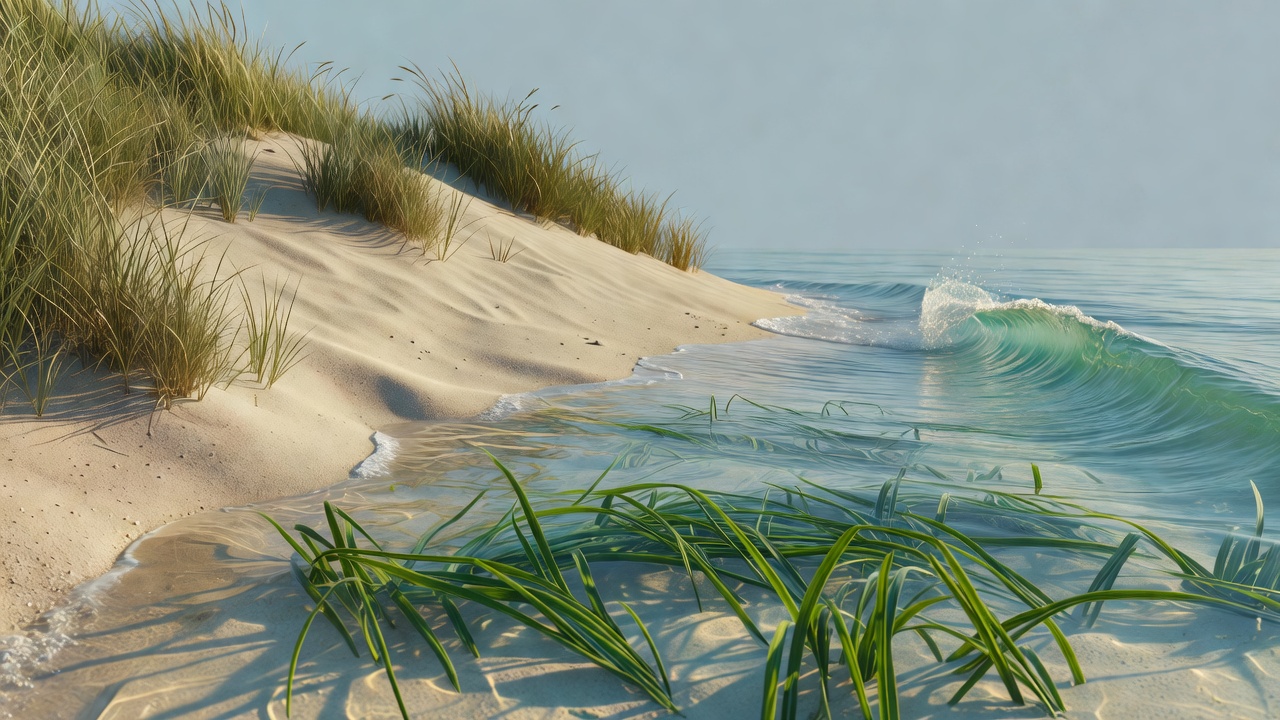
Individual habits make a difference at the margins. Organised, local, persistent effort makes a difference at the scale of whole bays. The projects below show the range of what surfers and coastal visitors contribute, from planning hearings to planting seeds by hand.
Protecting the wave itself
Surf breaks are natural features that can be damaged or erased by harbour walls, dredging and poorly planned development. The Save The Waves Coalition, founded in 2003, runs the World Surfing Reserves programme, which recognises outstanding surf zones and helps local communities build stewardship plans. Malibu in California was among the first reserves, and Ericeira in Portugal became Europe's first in 2011. Others include Santa Cruz, Manly in Australia and Punta de Lobos in Chile.
Recognition is not legal protection by itself. Its strength lies in organising a local group that can speak up when a threat appears. That is a role ordinary surfers can fill.
A reserve plaque does not protect a wave. The people who read planning notices and show up to hearings do.
Cleans that produce data
Groups such as the Surfrider Foundation, founded in Malibu in 1984, and Surfers Against Sewage in the UK organise regular beach cleans through local chapters and community networks. The Ocean Conservancy's International Coastal Cleanup, which began in 1986, asks volunteers worldwide to record every item collected.
When litter is counted and categorised, it becomes evidence. Brand audits, for example, have been used to show which companies' packaging appears most often on beaches, informing debates about producer responsibility.
Testing the water
Official bathing-water testing often runs only in summer and at designated beaches. Volunteer programmes fill gaps. Surfrider's Blue Water Task Force has trained volunteers in the United States to sample and test water for bacteria, publishing results so surfers can make informed decisions and agencies can be pressed to act on persistent problems.

Replanting underwater meadows
In Wales, the charity Project Seagrass and partners have worked on restoring seagrass in Dale Bay, Pembrokeshire, collecting seeds by hand and planting them in hessian bags. Similar efforts exist in Chesapeake Bay in the United States and along the Mediterranean, where Posidonia meadows are monitored and protected from anchoring.
Seagrass restoration is slow and success rates vary. Credible projects say so openly, monitor results over years, and adjust methods. That honesty is a good sign when choosing which effort to support.
Keeping dunes in place
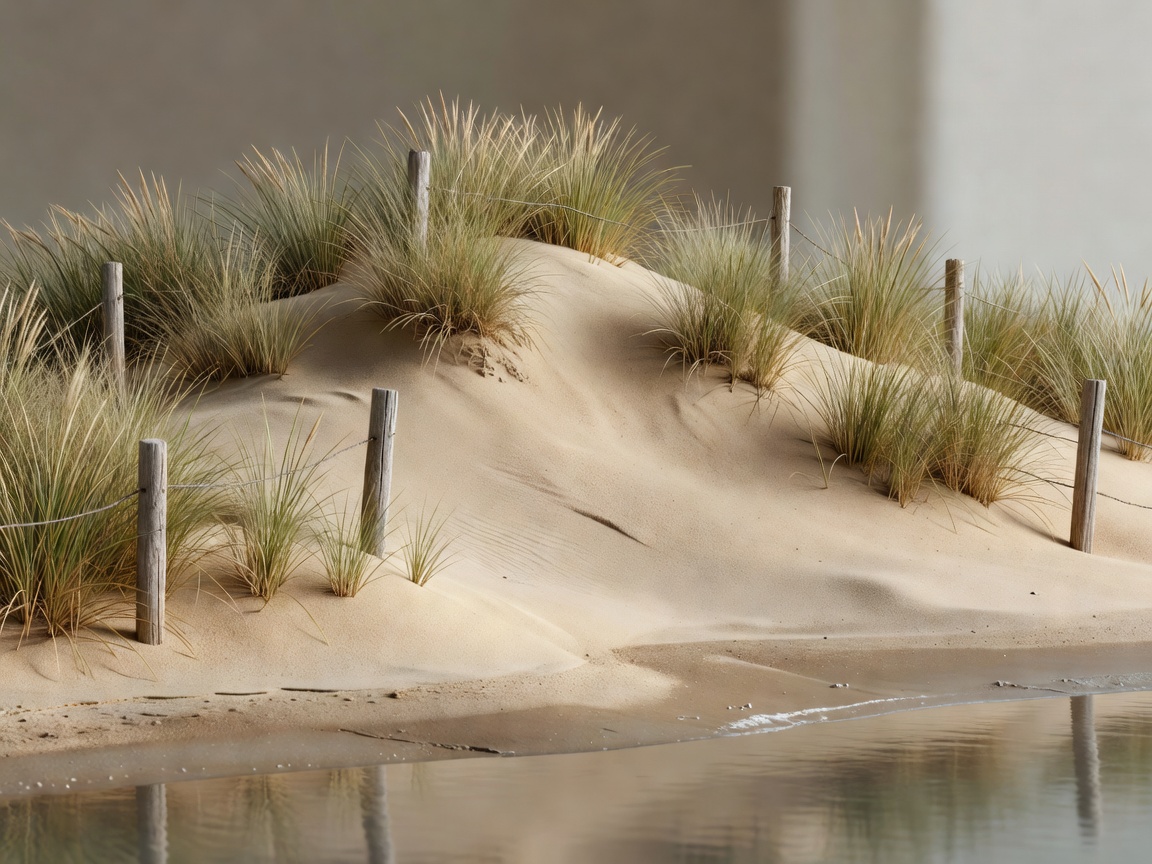
Sand dunes are a coast's natural sea defence. Marram grass binds sand; trampling breaks it. Dune projects install fencing, replant grass, and create boardwalks that let people reach the beach without eroding fragile slopes. Following marked paths is one of the easiest contributions anyone can make.
Joining well
- Start local: a nearby group you can return to beats a one-off trip abroad.
- Offer a skill: photography, data entry, writing or carpentry often help more than general labour.
- Commit to a rhythm, even one session a season.
- Bring others along; participation spreads through friendship.
Want to understand the habitats these projects protect? Read Beneath Each Breaking Wave, or tell us about a project on your coast.
 Dunes
Following the Path
Why marked dune routes matter and how fencing helps grass recover.
Back to dune work Habitats
Beneath Each Breaking Wave
The ecosystems that restoration projects aim to bring back.
Explore marine life Questions