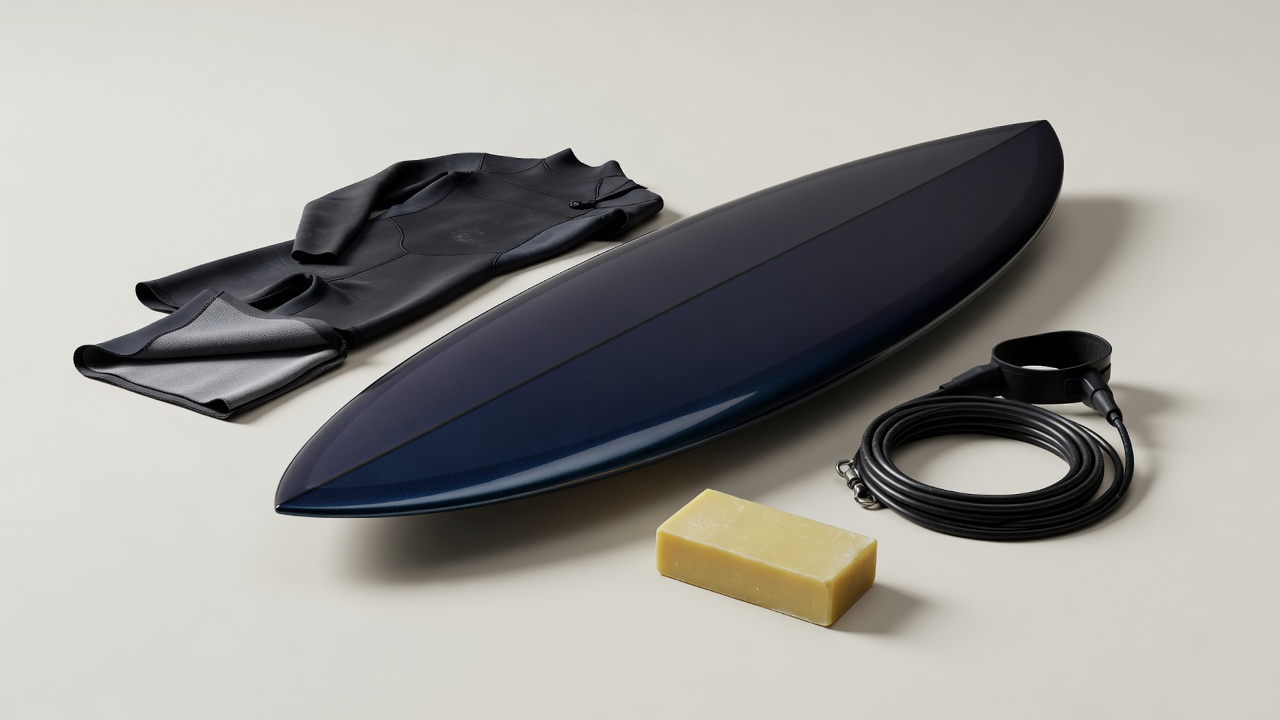
Surfing sells itself as close to nature, yet most modern equipment comes from petrochemicals. Acknowledging that is not an accusation; it is a starting point. Once you know what goes into your gear, you can weigh claims calmly and make the choices that matter most.
Boards: foam, resin and the case for durability
The classic surfboard combines a polyurethane (PU) foam blank with fibreglass cloth and polyester resin. Many newer boards use expanded polystyrene (EPS) foam with epoxy resin, which tends to be lighter and, in many cases, more resistant to dings. Both systems are fossil-based. Some manufacturers now offer partially bio-based resins, recycled-content foam, or wooden constructions.
The Ecoboard Project, launched in 2012 by the non-profit Sustainable Surf, set criteria for reduced-impact materials and lets participating brands label qualifying boards. Independent criteria like these are more meaningful than a vague "eco" sticker, but they still do not make a board impact-free.
The most sustainable board is very often the one you already own, repaired well and ridden for years.
Wetsuits: neoprene and its alternatives
Conventional wetsuits use petroleum-derived neoprene. Limestone-based neoprene changes the raw material but is still a synthetic rubber made through energy-intensive processing. Patagonia popularised wetsuits made largely from Yulex natural rubber, and several brands now use natural rubber sourced from plantations certified by the Forest Stewardship Council (FSC). These options reduce reliance on petrochemicals, though the suits still include synthetic linings, glues and thread.
Whatever the material, care decides lifespan: rinse in fresh water, dry out of direct sun, hang folded over a wide hanger, and patch small tears early. Some brands and independent repairers offer seam and knee repairs that add seasons of use.

Wax, leashes and the small stuff
Most traditional surf wax is paraffin, a petroleum by-product. Alternatives based on beeswax, soy or other plant waxes are widely available and perform well in many conditions. Small amounts of wax inevitably come off in the water, so the material choice has some relevance here.
Leashes and traction pads are mostly polyurethane and EVA foam. Buying fewer, better-made accessories and replacing worn parts rather than whole items keeps them out of landfill longer.
Sunscreen and the "reef-safe" question
Hawaii became the first US state to ban the sale of sunscreens containing oxybenzone and octinoxate, with the law taking effect in January 2021, following concerns about effects on corals. Other places, including Key West and Palau, introduced similar restrictions. Mineral sunscreens based on non-nano zinc oxide are a common alternative.
Note that "reef-safe" is not a regulated term in most markets. Read the ingredient list, use a rash vest or wetsuit to reduce how much sunscreen you need, and never skip sun protection on environmental grounds.
A practical decision sequence
- Do I need a new item, or can I repair, borrow or rent?
- Is there a good second-hand option locally?
- If buying new, is the claim specific and independently verified?
- Will it last, and can it be repaired by me or a local shop?
- What will happen to it at the end of its life?
Broken boards can become repair stock, art or garden furniture; some regions have take-back or recycling pilots for wetsuits. See which local projects accept donations, or read our ocean answers on gear.
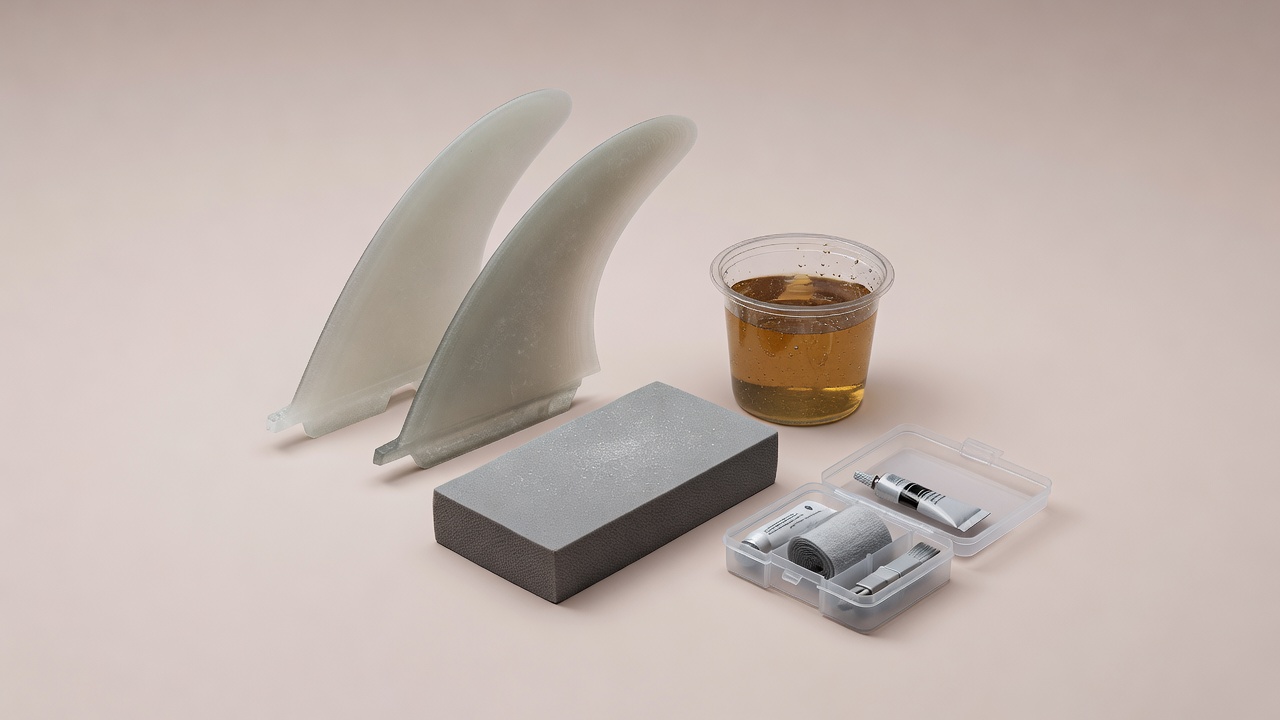 Repair
 Before Replacing
Our home-page routine includes simple steps for keeping boards in the water.
Build a lighter routine Pollution