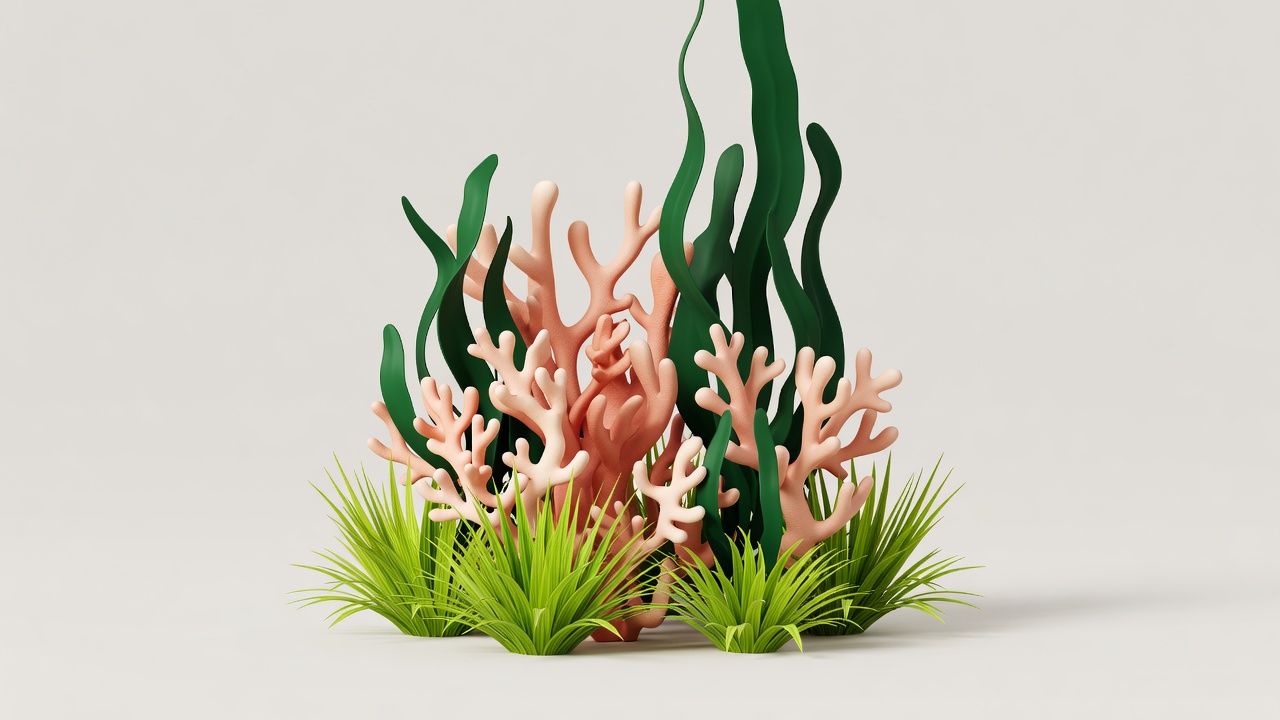
Waves are made by wind far out at sea, but surf breaks are made by the seabed. A sandbar, a rock shelf, a coral platform or a cobble point bends and slows the swell until it stands up and peels. That same seabed is habitat. When you duck-dive, you pass briefly through a living system that is busy long before you arrive and long after you leave.
Kelp forests: the cold-water canopy
Along temperate coasts, from California's Monterey Bay to Tasmania, Norway and the Atlantic shores of Britain and Ireland, large brown seaweeds form underwater forests. Kelp can grow remarkably quickly, and its fronds give shelter to fish, crabs and sea urchins. Kelp beds also soften wave energy before it reaches the shore.
These forests are under pressure. In northern California, a combination of marine heatwaves and the loss of predators that keep urchins in check led to widespread kelp decline in the mid-2010s. Surfers who have watched the same reefs for decades often notice such shifts first, which is one reason local knowledge is valuable to scientists.
Surfers spend more hours watching one stretch of water than almost anyone else. That attention is a conservation asset.
Seagrass meadows: quiet and essential
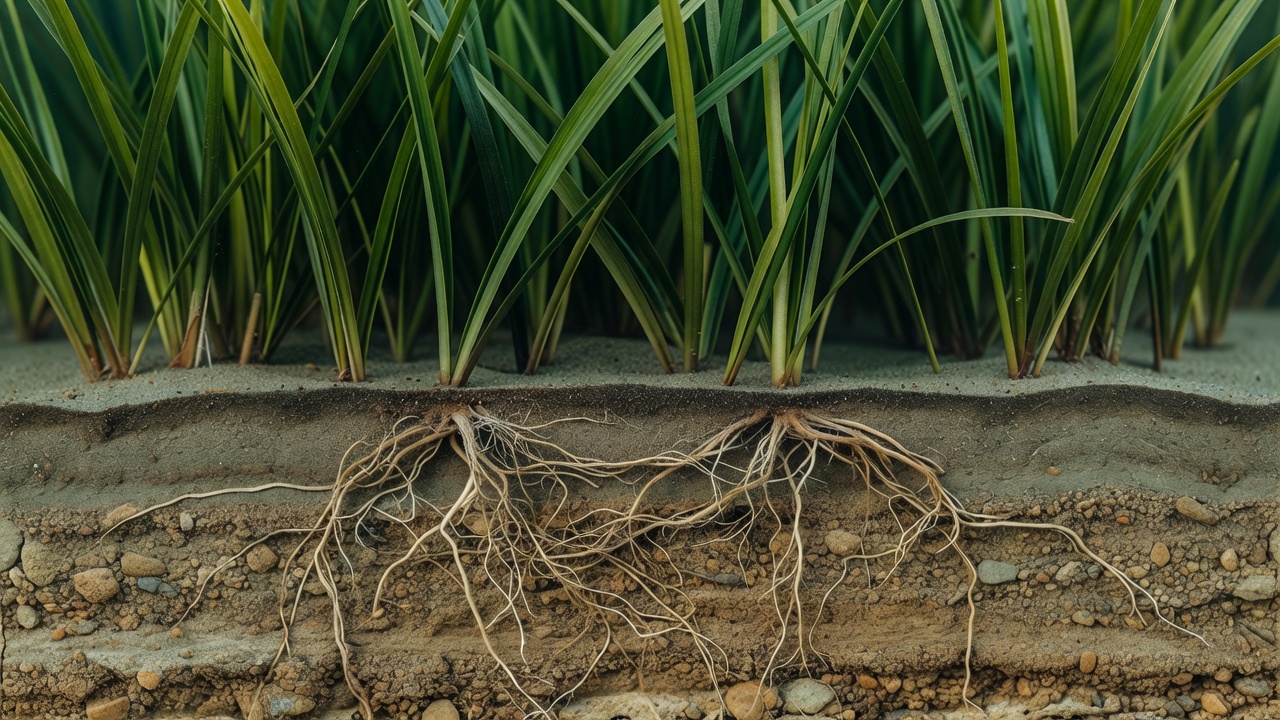
Seagrasses are flowering plants, not seaweeds. In sheltered bays and estuaries, meadows of species such as Zostera marina in the North Atlantic and Posidonia oceanica in the Mediterranean stabilise sediment, filter water and act as nurseries for fish. Posidonia meadows in the Balearic Islands are protected because damage from boat anchors can take decades to recover.
Seagrass rarely sits directly under a heavy reef break, but it often lies inside the bay you paddle across or the estuary you launch from. Avoid anchoring or dragging gear through meadows, and support moorings designed to protect them.
Coral reefs: shallow, sharp and fragile
Tropical reef breaks from Bali to Fiji, Hawaii and the Maldives exist because corals built them over thousands of years. Corals live in a close partnership with algae; when water stays too warm for too long, the partnership breaks down and corals bleach. Australia's Great Barrier Reef has experienced repeated mass bleaching events in recent years, as reported by the Great Barrier Reef Marine Park Authority.
A surfer cannot fix ocean warming alone, but can avoid adding local stress. Do not stand or walk on live coral, enter and exit through channels, and be thoughtful about sunscreen use in enclosed lagoons, where research on certain UV filters has raised concerns.
Sandy beaches: the overlooked habitat
Sand looks empty but rarely is. Mole crabs, burrowing clams, worms and microscopic animals living between grains feed shorebirds and fish. Driving on beaches, heavy mechanical raking and removing all seaweed wrack can strip away this community. Leaving natural wrack in place, where it is safe to do so, supports the food web that feeds birds you may see from the lineup.
Sharing the water with wildlife
Seals, dolphins, turtles and seabirds use surf zones too. Good practice is simple and widely recommended by wildlife agencies:
- Keep a respectful distance from hauled-out seals; if they look up or move towards the water, you are too close.
- Never chase or attempt to touch dolphins or turtles.
- Avoid cliff paths and dunes marked for nesting birds during breeding season.
- Report stranded or entangled animals to local rescue organisations rather than intervening yourself.
Learning even three species that live at your local break changes how you surf it. Next, see how waste reaches these habitats, or find a project protecting them.
 Pollution
Stopping Waste Upstream
Where litter and polluted water come from, and where prevention works.
Follow the trail Projects