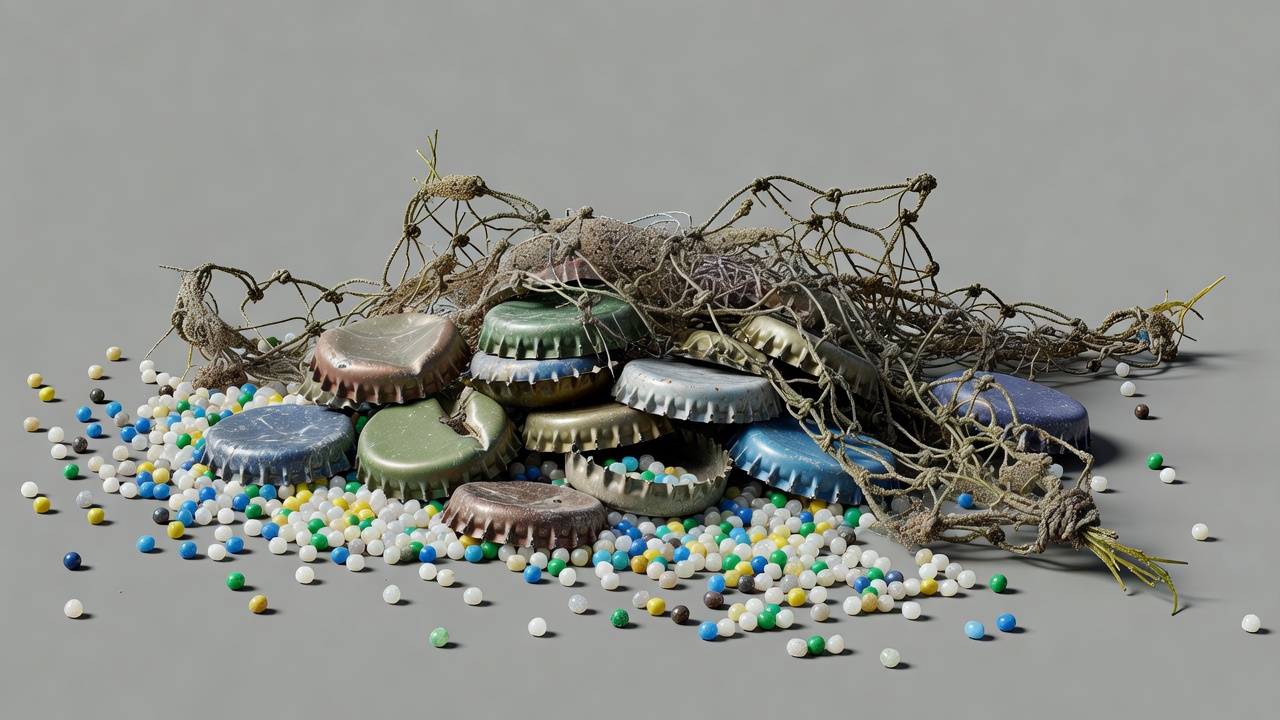
After a storm, the tideline tells a story. Cotton-bud sticks, drink bottles, fragments of rope, tiny round plastic pellets. Each item followed a route to get there. Understanding those routes is what separates satisfying gestures from changes that genuinely reduce the flow.
Pathway one: rivers and storm drains
Rivers are conveyor belts. Litter dropped in a city street can wash into a storm drain, then into a stream, then out to sea. Studies of river plastic have found that a relatively small share of the world's rivers carry a large proportion of the plastic entering the ocean, which is why interception and waste collection in those catchments matter so much.
River interceptors, such as those deployed by The Ocean Cleanup and by various city authorities, catch floating waste before it reaches the coast. They are useful, but they treat a symptom. Reliable municipal waste collection, especially where it does not yet exist, remains the deeper solution.
Pathway two: sewage and runoff
For surfers, the most immediate pollution risk is often invisible. Many older sewer systems combine rainwater and wastewater in the same pipes. In heavy rain they overflow, releasing untreated sewage into rivers and seas. In the United Kingdom, the campaign group Surfers Against Sewage, founded in St Agnes, Cornwall in 1990, has spent decades pressing for better reporting and investment on exactly this issue.
Agricultural runoff adds nutrients that can fuel algal blooms, while road runoff carries tyre particles and oils. These problems are solved through infrastructure, regulation and land management, which means they respond to public pressure.
A cleaner lineup is rarely won on the beach. It is usually won in council chambers, water company reports and planning consultations.
Pathway three: pellets, ghost gear and microfibres
Pre-production plastic pellets, often called nurdles, are the raw material for most plastic products. They spill during transport and handling. In 2021 the container ship X-Press Pearl caught fire and sank off Sri Lanka, releasing an enormous quantity of pellets that blanketed beaches. Industry programmes such as Operation Clean Sweep aim to reduce pellet loss, and regulators in several regions are moving to make pellet handling rules mandatory.
Lost or abandoned fishing gear, known as ghost gear, keeps catching marine life for years. Synthetic clothing, including some technical fabrics, sheds microfibres in the wash, a small but persistent source of microplastics.

What works upstream
Several policy tools have measurable track records:
- Deposit return schemes for drinks containers, such as Germany's Pfand system, achieve very high return rates.
- Restrictions on single-use items, including the European Union's Single-Use Plastics Directive (2019/904), target the products most often found on beaches.
- Shipping rules under MARPOL Annex V prohibit discharging plastic garbage from ships at sea.
- Sewage overflow monitoring with public data lets communities see where investment is needed.
Your part, realistically
Picking up litter after a session is worthwhile, especially if you record it. But your strongest contributions are often civic: responding to a water company consultation, supporting deposit schemes, reporting pollution incidents to the relevant agency, and choosing to wash synthetic garments less often and at lower temperatures. Next, look at the waste built into surf equipment itself, or join a beach clean that produces data.
 Gear
Looking Past Green Labels
How to judge equipment claims without assuming any purchase is impact-free.
Examine your gear Projects
Testing the Water
Volunteer water monitoring that turns concern into evidence.
See monitoring projects